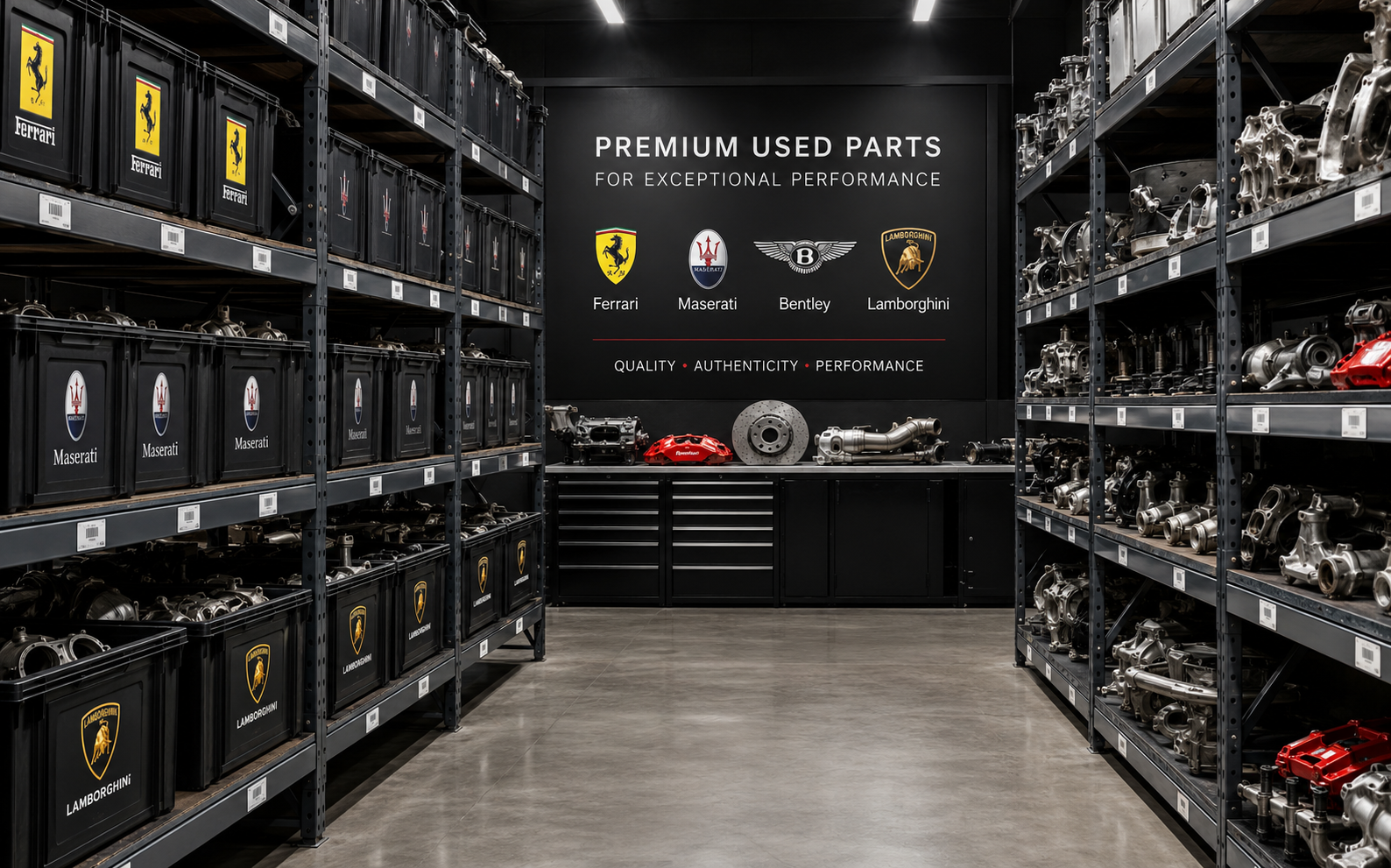
Why autopart premium parts matter
For owners, repair shops, restorers and specialist workshops, choosing autopart premium parts is about more than replacing a broken component. Luxury vehicles are built around precision, material quality, design intent and performance balance. A part that looks similar on the surface can still affect fitment, driving feel, cabin finish or long-term reliability. That is why buyers usually need to think beyond price and look at compatibility, condition, provenance and the type of vehicle the part came from.
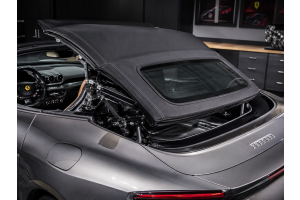
In the luxury-car segment, the right part can help preserve both function and character. A Ferrari panel, a Maserati interior trim piece, a Lamborghini suspension component or a Bentley electronic module may all serve practical purposes, but they also contribute to the overall identity of the vehicle. When buyers search for autopart premium parts, they are often trying to keep that identity intact while making a commercially sensible decision. Certified used parts can be especially relevant when new parts are expensive, delayed, discontinued or difficult to source through ordinary channels.
What premium really means
The word premium should not be treated as decoration. In automotive sourcing, it should point to fit, quality, traceability and suitability for a specific vehicle. A premium part is not automatically the newest part, nor is it always the most expensive one. It is the part that meets the buyer’s technical needs without compromising the vehicle’s standards. For exotic and luxury models, this often means looking closely at the original application, production year, trim level, material finish and any visible wear.
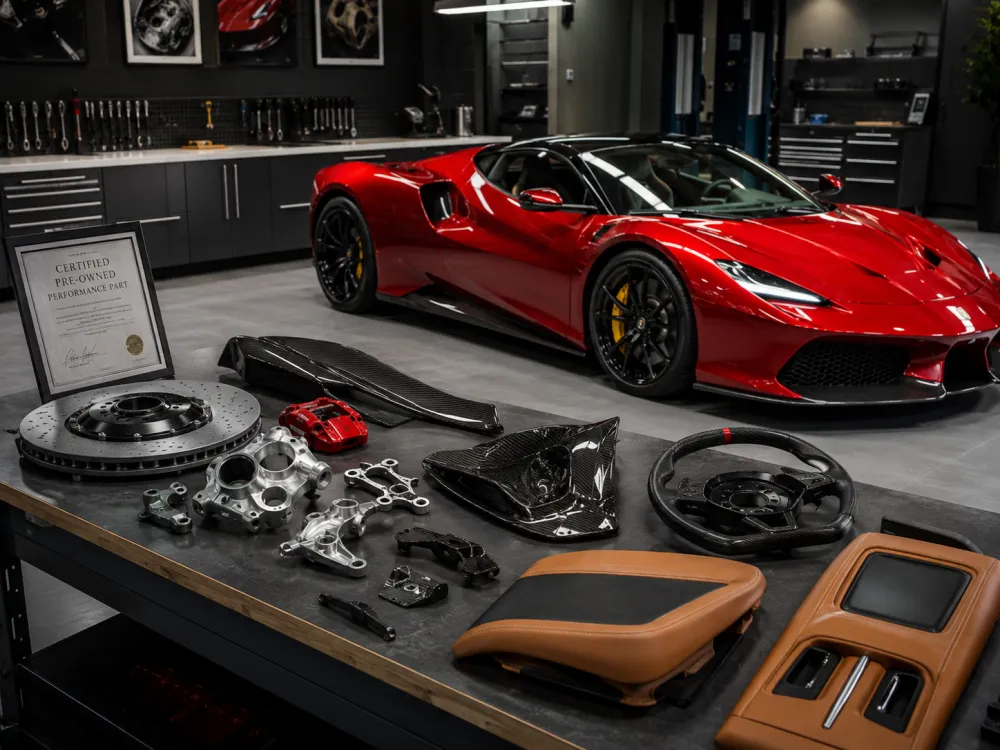
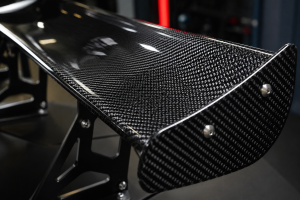
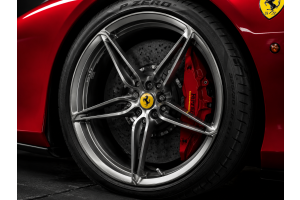
Buyers looking for autopart premium parts should also separate cosmetic value from functional value. A carbon fiber exterior piece, alloy wheel, leather console or branded trim panel may be judged heavily on appearance, while an engine accessory, control unit or suspension part must be judged more on condition, compatibility and performance relevance. In both cases, the same principle applies: the part should match the vehicle’s requirements, not just the general brand name. A part from the same manufacturer is not always interchangeable across years, markets or model variants, especially in luxury vehicles where small production differences matter.
Condition and fitment
Condition is one of the biggest factors in evaluating autopart premium parts. Photos, part numbers, donor vehicle information and visible markings can all help a buyer understand whether a component is likely to fit and perform as expected. Minor cosmetic wear may be acceptable for some used parts, while structural damage, missing tabs, corrosion, electrical faults or unclear fitment can create unnecessary risk. This is especially true for B2B buyers who need predictable outcomes for customer repairs.
Brand-specific expectations
Luxury brands each come with different buyer expectations. Ferrari buyers may focus on originality, performance feel and lightweight materials. Maserati buyers may care deeply about elegant trim, mechanical compatibility and maintaining a refined driving experience. Lamborghini parts are often connected to aggressive design language, dramatic bodywork and high-performance systems. Bentley buyers may place special emphasis on cabin quality, comfort systems and exact finish matching. When sourcing autopart premium parts, these differences matter because the “right” part is often the one that preserves the brand experience.
Where certified used parts fit
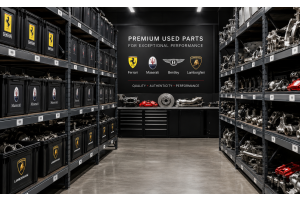
Certified used parts can be a practical middle ground between uncertain secondhand sourcing and the cost or delay of buying new. They are especially useful when a buyer wants genuine luxury-car components but also needs a more efficient sourcing path. Used parts are common in repair, restoration, collision work, customization and inventory planning, particularly for vehicles where availability can vary widely. For shoppers browsing broad options, starting with luxury-car categories can help narrow the search by component type, brand and likely fitment: browse used luxury car part categories.
For B2C buyers, autopart premium parts can make ownership more manageable without reducing the feeling of driving a special vehicle. For B2B buyers, they can support repair timelines, margin planning and customer satisfaction. A workshop may need a specific Maserati part to finish a job, while a dismantler, reseller or collision specialist may need predictable access to higher-value components. In both situations, the part is not just a product. It is a solution to a problem involving time, fitment, cost and confidence.
How to source by marque
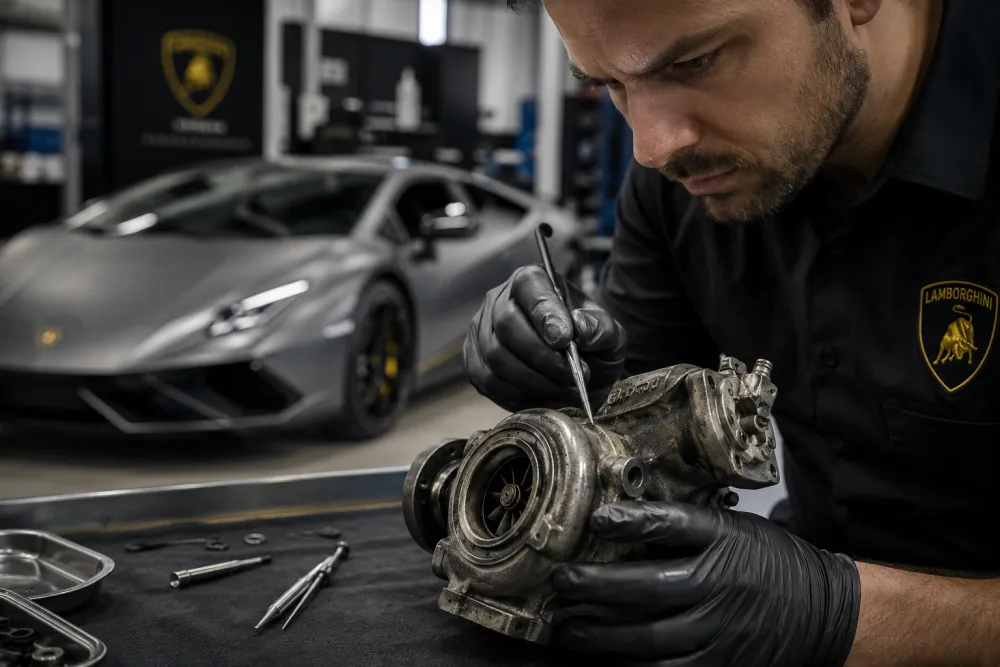
Brand-specific sourcing is often the most efficient way to shop for autopart premium parts. Buyers working on Ferrari vehicles can begin with the dedicated Ferrari section: used Ferrari parts. Maserati buyers can use the Maserati brand page to explore relevant options: used Maserati parts. For Lamborghini projects, a focused brand page helps reduce irrelevant results: used Lamborghini parts. Bentley buyers can also start with a brand-specific path: used Bentley parts.
This approach matters because model families, part numbers and trim details can change quickly across premium vehicles. A used part that fits one generation may not fit the next. Even within the same model, market-specific equipment, optional packages and production updates can affect whether a component is suitable. That is why buyers should use brand pages as a starting point, then confirm details carefully before purchase. For specialty searches, a targeted search can also help when buyers know the material or component type they need, such as searching for autopart premium parts.
Using dismantled vehicle information
When available, dismantled vehicle information can be very valuable. It can give context about the donor car, model year, configuration and available components. That context helps buyers understand where a part came from and whether it may be relevant to their own vehicle or project. For anyone comparing autopart premium parts across multiple luxury marques, viewing dismantled vehicles can support better decision-making: view dismantled vehicles.
Buying considerations for b2c and b2b
Private owners and trade buyers often evaluate parts differently, but both groups benefit from a structured process. A private owner may care most about restoring the look, feel or function of a beloved car. A workshop may care about turnaround time, part confidence and avoiding repeat labor. A reseller may look at demand, rarity and condition grade. An insurance-related repair may require careful documentation. In every case, the best outcome usually comes from matching the part to the vehicle as precisely as possible.
Before buying autopart premium parts, review the part number, vehicle compatibility, photos, visible wear, included accessories and any installation-sensitive details. Ask whether the part is cosmetic, mechanical, electronic or structural, because each category carries different inspection priorities. A bumper cover needs clean mounting points and finish potential. A wheel needs attention to cracks, bends and surface damage. An electronic module needs compatibility and may require programming. An interior piece needs color, stitching, material and orientation checks. These details may seem small, but in luxury vehicles they can be the difference between a part that completes the car and a part that creates delays.
Final thoughts
The market for autopart premium parts exists because luxury vehicles deserve parts decisions that respect their engineering and design. Whether the goal is repair, restoration, resale preparation or inventory sourcing, buyers should look for the right balance of quality, compatibility and value. Certified used parts can support that balance when selected carefully and matched to the correct vehicle.
For buyers who need help narrowing the options, it can be worth contacting a specialist before making a final decision. Clear vehicle information, part numbers, photos and project details can make the sourcing process smoother. To discuss fitment or availability, use the contact page: contact Spares USA.